
Should You Go Deer Hunting in the Rain?
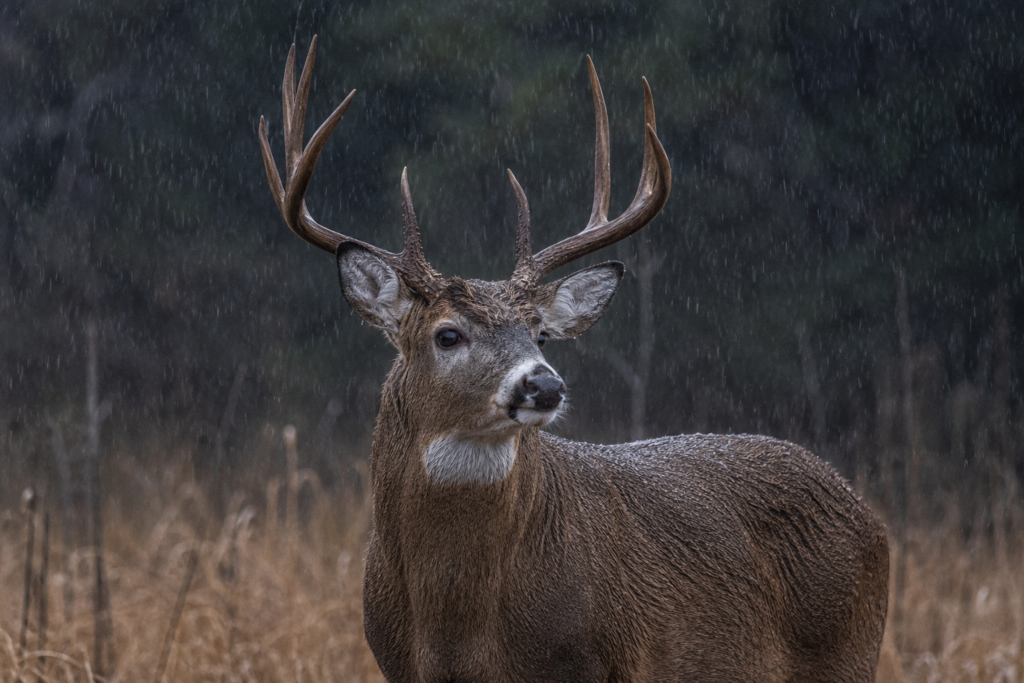
You’ve been waiting on the rut to start to use a few of your hard-earned days off. The anticipation has been building since springtime. You spent hours during summer planning and dreaming about it. Now that your hunting trip is close, you check the forecast — and of course it’s calling for rain.
Disappointment sets in, but you’re also left wondering what to do. I can’t tell you whether you should burn a vacation day or a precious free weekend to hunt in the rain. What I can do is share some insight from personal experience and a bit of the science behind it. Spoiler alert: I’m personally a pretty big fan of hunting in the rain, assuming it’s safe.
Do Deer Move in the Rain?
In short, yes — deer will and do move during rain. How much or how little they move can be very specific to your geographic location. Quite a few colleges and biologists have studied this, and for the most part, there’s no single correct answer.
Top Things to Consider Before Hunting in the Rain
Safety Comes First
A rainstorm can create several dangerous situations while hunting — lightning, high winds, and hypothermia once you’re soaked are just a few. You’ll know your local weather better than anyone, so pay attention to what to look for. When I consider hunting in the rain, it’s only during a plain, steady rain — never lightning, tornado warnings, or anything of that severity.
Is There a Major Temperature Change Coming With the Storm?
Most scientists agree that barometric pressure doesn’t directly affect deer patterns — but a temperature change does.
How Long Will the Storm Last?
This matters for two reasons:
- Short pop-up showers often have little to no effect on deer patterns at all.
- Medium-to-severe storms tend to push whitetails to bed down. In my experience, when a storm is severe enough to cause a major slowdown in movement, there’s often a big uptick in activity shortly after it passes — but if the storm drags on too long, deer may have already been forced to move earlier just to feed, and you might miss that post-storm burst of sightings altogether.
Scrape Lines Wash Away
Bucks spend countless hours making and checking their scrape lines. A heavy rain can wash all that work away — and bucks know it. They’ll be on the move to check on scrapes and rubs. Even in a light rain, most bucks won’t slow their daily routine, so even if the scrapes haven’t washed out yet, they’ll still be checking them.
This is my biggest personal observation: I’ve hunted spots where we typically see 3–4 does and fawns for every buck on a normal day. During a good, steady downpour, I’ve had hunts where that flips completely — 8–10 bucks and only 2–3 does, if any.
Is Your Setup Right for Rain?
Box blinds are obviously the most comfortable option in bad weather. Pop-up blinds can also keep you dry, unless they’ve got 3–4 years of wear on them. Tree stands can work fine in heavy cover or with solid rain gear, but you don’t want to be caught in one during a lightning storm. Keep an eye on wind speeds too — and if you’re up for still-hunting, rain can be a huge advantage for staying quiet (more on that below).
Advantages of Hunting Deer in the Rain
- Scent reduction — rain helps knock down human scent, making it easier to get close to deer undetected.
- Reduced noise — steady rain creates constant background noise that makes it harder for deer to hear you moving. If leaves have already fallen, wet leaves also crunch less underfoot. Combined, this makes it a great time to try spotting and stalking a big buck.
- Fresh tracks — after a rain, soft ground holds hoof prints better, making deer easier to track.
- More comfortable for deer — during early season heat, deer often reduce activity to avoid the heat. Rain cools things down and can bring them back out.
Disadvantages of Hunting Deer in the Rain
- Reduced visibility — heavy rain makes it harder to spot deer and get an accurate shot.
- Discomfort — without quality rain gear, a wet hunt is a miserable one.
- Wet, slippery conditions — increased risk of slipping or falling, especially on uneven terrain. A good pair of hunting boots helps with grip and keeps your feet warm and dry.
- Dampened scent and sound cues — the same rain that hides your scent and noise also hides the deer’s, making them harder to detect and track.
- Equipment damage — moisture can cause rust, fogging, or malfunctions in firearms, optics, and electronics. Dry and clean your gear after a wet hunt. Companies like Leupold offer waterproof versions of their optics for exactly this reason.
- Unpredictable weather — rain can escalate into lightning, high winds, flash floods, or worse. Always be prepared and know your exit plan.
So, Is Hunting in the Rain Worth It?
Take the necessary precautions, come prepared for the challenges, and hunting in the rain can be an incredible experience. Checking the forecast ahead of time is just a couple of clicks away, and the amount of affordable rain gear and waterproof optics on the market today makes staying dry and functional easier than ever.
If the weather doesn’t look dangerous, hunting in a strong rain is at or near the top of my list. The combination of easier stealth and bucks on the move makes it one of my personal favorites. The only hard part is deciding whether to sit tight and wait it out — or take advantage of the soft, wet ground and try your hand at spot-and-stalk.